LAKE-SUMTER STATE COLLEGE · HISTORICAL ARCHIVE

Lake County History

A documentary map and reader tracing five threads of Central Florida's past — Seminole sovereignty and removal, a German prisoner-of-war camp on the Leesburg campus, the road prison behind Cool Hand Luke, and the fight for civil rights in Lake County.

Filter
Loading map…

Points of interest

ANative History · Pre-contact – 1842

Native American History & The Second Seminole War

Long before county lines, the lakes and hammocks between the Ocklawaha and the Withlacoochee held sovereign Seminole towns — and the ground on which a war of removal was fought.
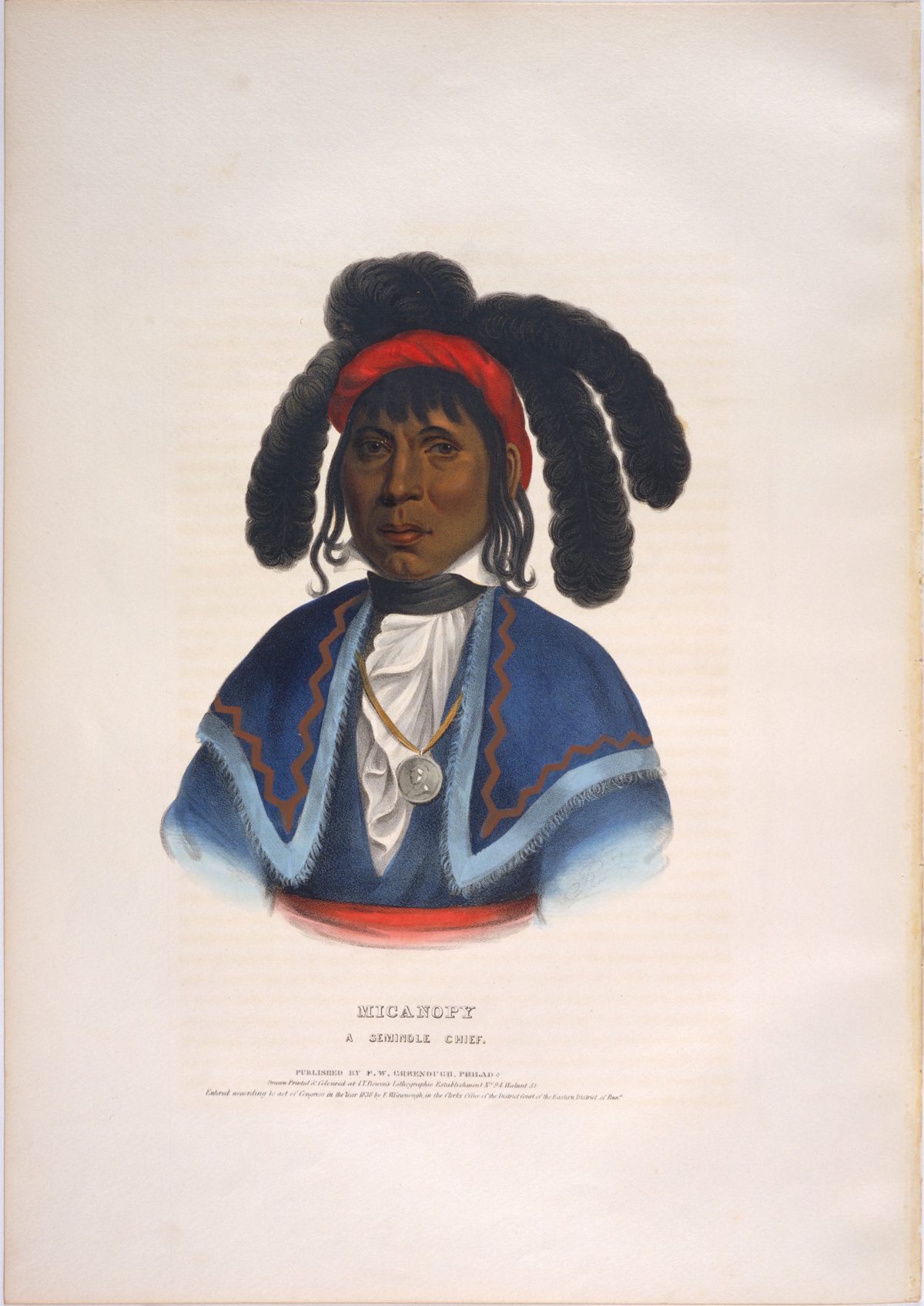
Nineteenth-century lithographic portrait of Micanopy, paramount chief of the Seminole Nation
Micanopy (Mikadopi), paramount chief of the Seminole Nation, whose towns included the Okahumpka vicinity. McKenney & Hall lithograph, c. 1838 — public domain
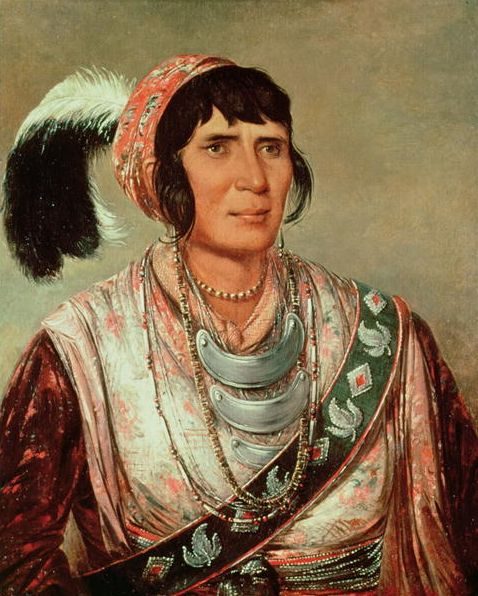
George Catlin's 1838 oil portrait of the Seminole war leader Osceola
Osceola, the war leader whose refusal of removal helped ignite the Second Seminole War (1835–1842). George Catlin, 1838 — public domain

Okahumpka: A Seminole Capital

Okahumpka stands among the earliest sovereign town-sites of the Seminole Nation in Central Florida and is identified in nineteenth-century accounts as a capital settlement associated with Micanopy (Mikadopi), the paramount chief of the Seminoles in the years leading to the outbreak of the Second Seminole War (1835–1842).

The name is generally rendered from Muscogee-language roots describing bitter or lonely water — a reference to the spring-fed water body at the town's edge. From this vicinity, Micanopy and allied leaders such as Jumper and Alligator coordinated resistance to federal removal policy.

Yalaha and the Lake Harris Port

Yalaha takes its name from the Muscogee Creek/Seminole word for "orange" (yalaha). The settlement's shoreline on Lake Harris became one of the earliest working ports of the interior, where steamboats connected citrus, produce, and later ornamental ferns to the Ocklawaha–St. Johns river route toward Jacksonville.

Water, not road, was the region's first highway; the Harris–Eustis–Griffin chain of lakes carried both indigenous canoe travel and the commercial traffic that followed it.

Removal, Resistance, and the Dade Battle

The Indian Removal Act of 1830 and the coerced Treaty of Payne's Landing (1832) sought the removal of Florida's Seminoles to Indian Territory west of the Mississippi. Seminole leaders repudiated the treaty's terms, and refusal hardened into open war.

On December 28, 1835, roughly 180 Seminole and Black Seminole warriors ambushed a U.S. Army column under Major Francis L. Dade on the military road between Fort Brooke and Fort King — the route that passed just west of present-day Lake County. Nearly all of Dade's 108 men were killed. The engagement, long called the Dade Massacre and now commemorated at Dade Battlefield Historic State Park, opened the Second Seminole War, the longest and costliest of the United States' wars of Indian removal.
BWartime & Labor · 1942 – 1946

Camp Leesburg: The WWII German POW Camp

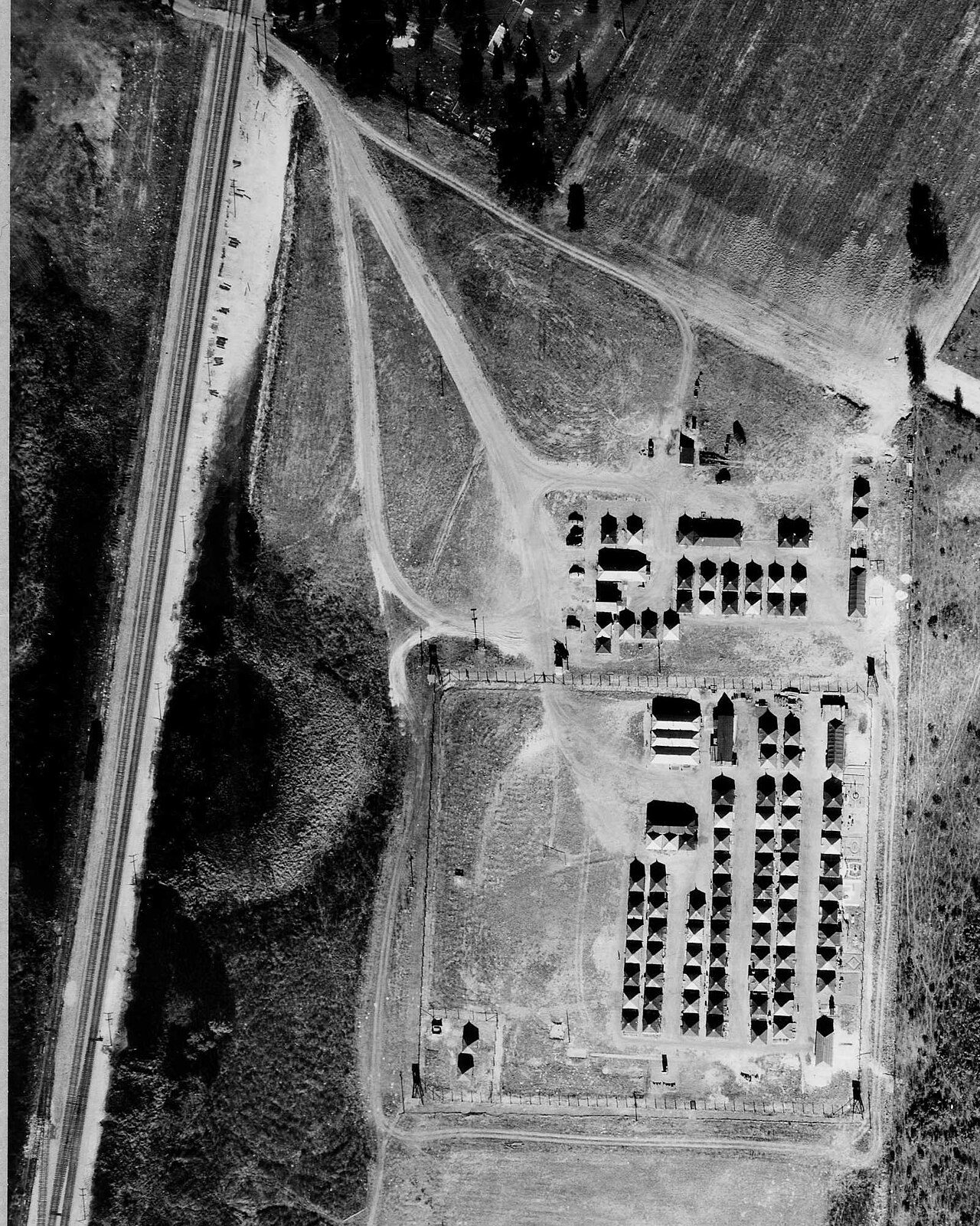
The modern Leesburg campus of Lake-Sumter State College occupies ground that was first an Army Air Forces training site and then a prisoner-of-war camp holding German soldiers.

German prisoners of war at a Florida internment camp, December 1944
German prisoners of war at a Florida camp, December 18, 1944 — the same wartime program that placed Camp Leesburg on today's LSSC grounds. National Archives (NARA 23936579) — public domain

From Airfield to Internment

During the early years of American involvement in the Second World War, the site served as an Army Air Forces training facility, part of the dense network of Florida airfields chosen for year-round flying weather. In March 1944 the installation was converted to "Camp Leesburg," a branch prisoner-of-war camp within Florida's system of base and branch camps.

The first prisoners held there were German troops captured in North Africa — Afrika Korps soldiers shipped to the United States after the Allied victory in Tunisia.

A Camp Built by Its Prisoners

The prisoners themselves erected much of the compound: barracks for housing, a canteen, and a recreation hall. Under the labor provisions permitted by the Geneva Convention, POWs were contracted out to the surrounding agricultural economy — citrus groves, packing houses, and truck crops left short-handed by wartime enlistment.

The Towers Nobody Watched

The camp's most-repeated local detail is also its most telling: guards eventually stopped manning the watchtowers, because there were no escape attempts to watch for. The surrounding country — flatwoods, swamp margins, alligators, and venomous snakes — functioned as a more persuasive perimeter than wire and rifles.

Camp Leesburg closed with the general repatriation of German prisoners after the war. The land later passed into educational use, and today students cross ground that once held enemy combatants.

CWartime & Labor · 1949 – 1967

The True Story Behind "Cool Hand Luke"

An American classic about defiance in a chain gang was drawn from a real Lake County road camp — and its climax echoes a real death on a summer night in 1949.

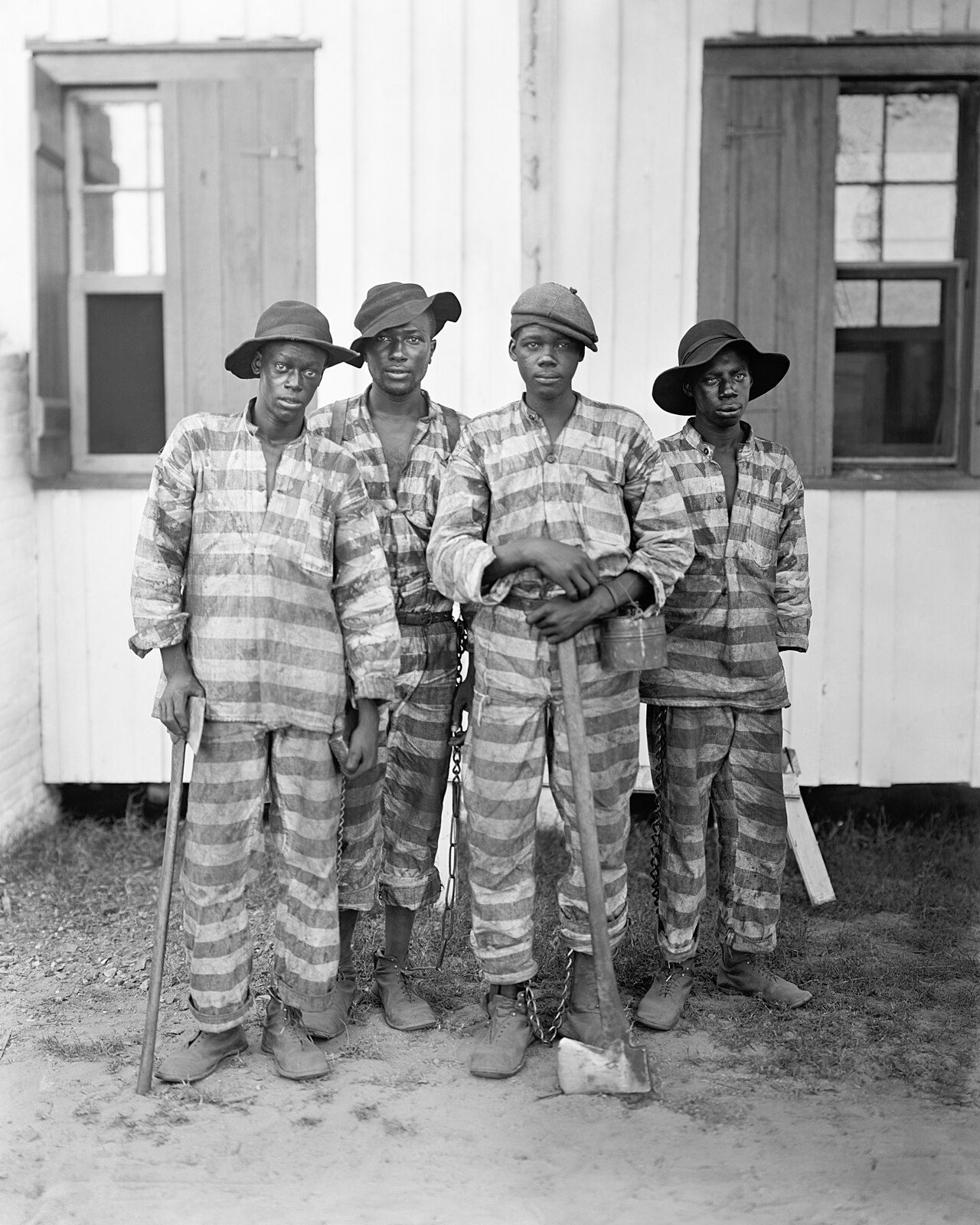
Southern chain gang of convicts working a roadside detail, early twentieth century
A Southern road-prison chain gang, c. 1903 — the labor system behind Tavares Prison Camp 48 and Donn Pearce's Cool Hand Luke. Detroit Publishing Co., Library of Congress — public domain

Donn Pearce and Tavares Prison Camp 48

Donn Pearce served time in the Florida road-prison system, including at the state camp off Lane Park Road in Tavares — Camp 48 — where chained work squads cleared brush and maintained highways under armed guard. Pearce drew directly on that experience in his 1965 novel Cool Hand Luke, filmed in 1967 with Paul Newman in the title role.

Pearce insisted throughout his life that the book's cruelty was reportage rather than invention: the sweatboxes, the bosses, the road details, and the culture of the camp were what he had lived.

August 8, 1949: Luther Catrett

The novel's fatal ending mirrors a documented Lake County death. On August 8, 1949, twenty-two-year-old inmate Luther Catrett bolted from a roadside brush-clearing detail on U.S. 441 near the Leesburg airport, between Silver Lake and the field.

Guards and tracking dogs pursued him through the night. The chase ended near a church at Lisbon, where Catrett was shot and killed. The escape, the manhunt with dogs, and the shooting at a country church supply the shape of the story's final act.

Why It Matters Locally

Convict road labor was not a cinematic abstraction in Lake County — it was public infrastructure policy. The highways many residents still drive were cleared and graded by men working in chains, and the system's violence was routine enough that a single death in 1949 drew only brief notice in the press.

DCivil Rights · 1944 – 1972

Jim Crow, Civil Rights & The Groveland Four

For nearly three decades, one sheriff's office defined Lake County's racial order — and two of the most consequential civil rights struggles in Florida history unfolded against it.

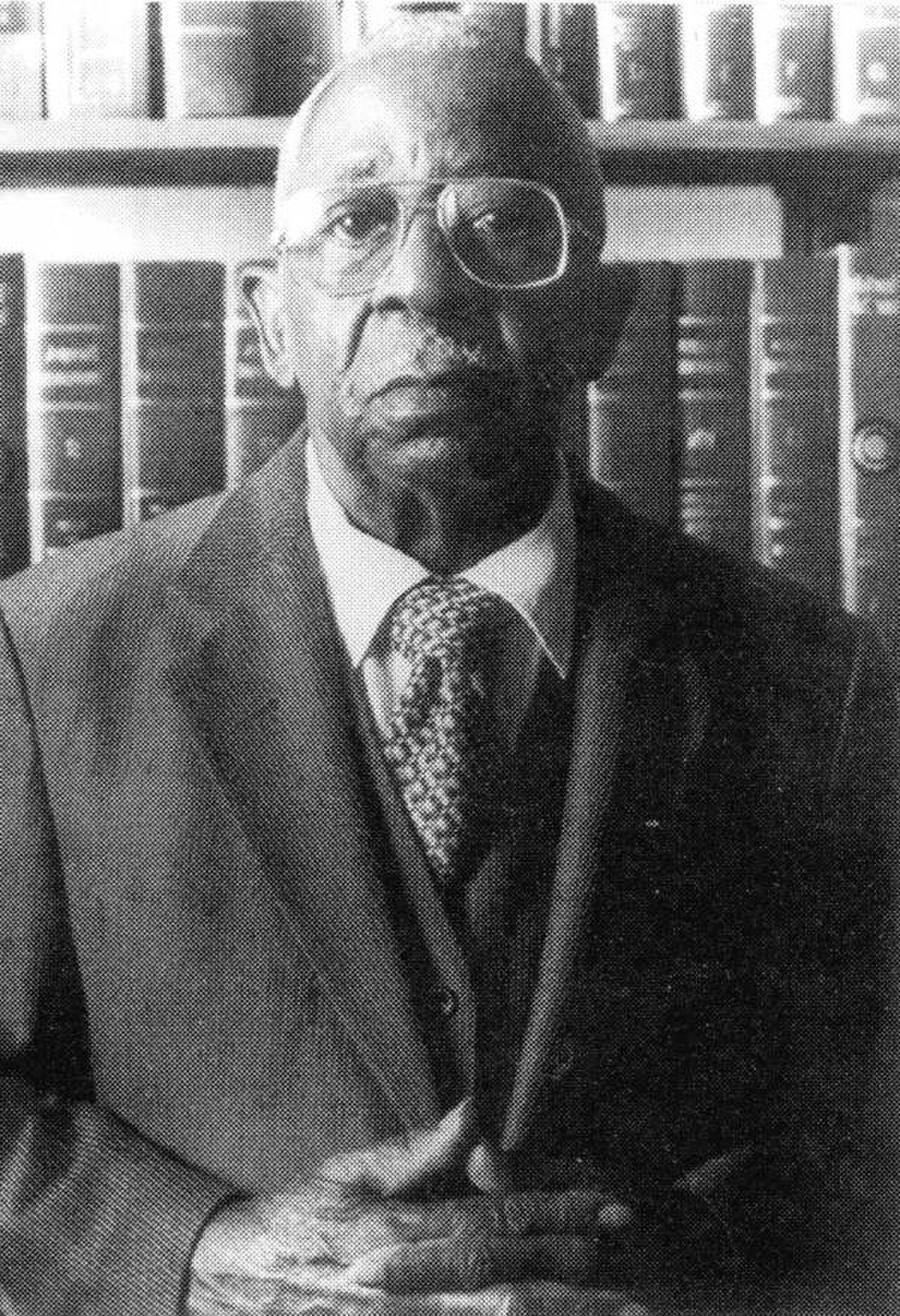
Portrait photograph of Virgil D. Hawkins
Virgil Hawkins of Okahumpka, whose nine-year suit opened Florida's graduate and professional schools to Black students. Portrait, c. 1960s — public domain
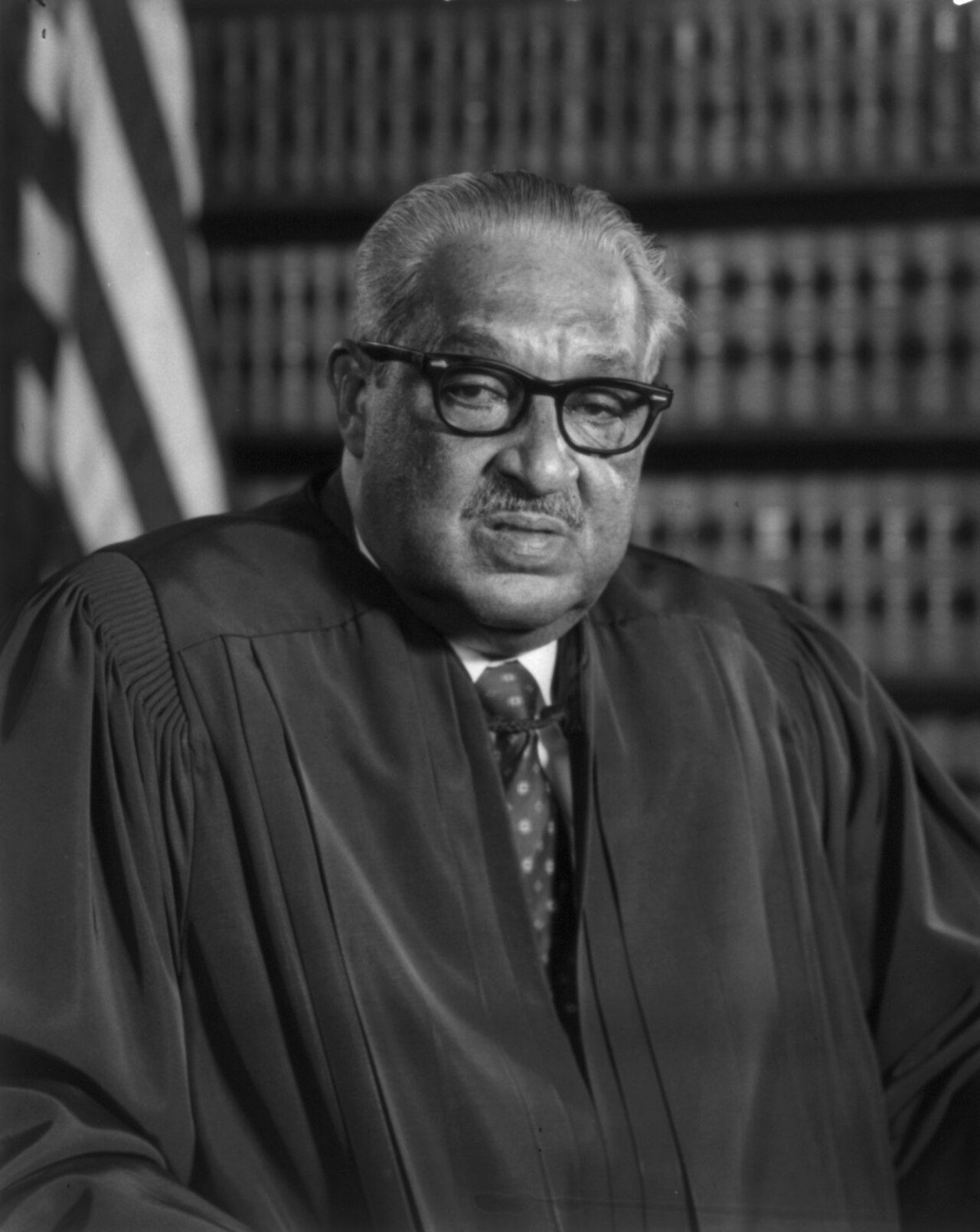
Thurgood Marshall photographed as lead counsel for the NAACP Legal Defense Fund
Thurgood Marshall, NAACP counsel, who argued the Groveland appeals before the U.S. Supreme Court. Library of Congress — public domain
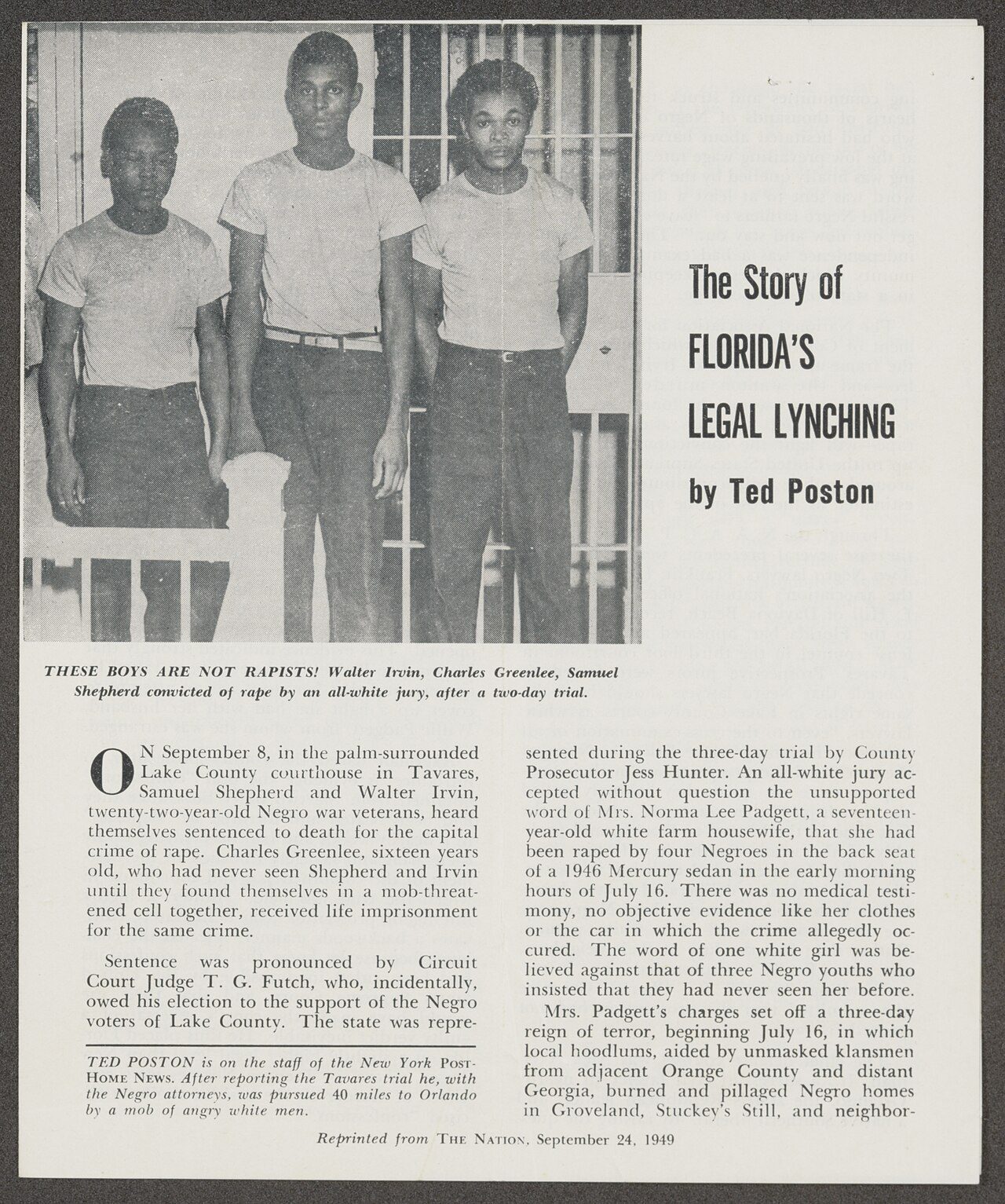
Cover of the 1949 civil-rights booklet documenting the Groveland case
A 1949 national campaign booklet on the Groveland case, published while the four defendants awaited trial. Civil Rights Congress, 1949 — public domain

Sheriff Willis McCall, 1944–1972

Willis V. McCall was elected sheriff of Lake County in 1944 and held the office for twenty-eight years. His tenure became nationally notorious for enforcement of segregation, alignment with white supremacist interests, and violence against Black residents and prisoners in his custody.

In 1949, four young Black men — Charles Greenlee, Walter Irvin, Samuel Shepherd, and Ernest Thomas — were accused of raping a white woman near Groveland. Thomas was hunted down and killed by a posse; the remaining three were beaten in custody and convicted. Thurgood Marshall and the NAACP Legal Defense Fund took the appeal, and the U.S. Supreme Court overturned the convictions of Irvin and Shepherd in 1951.

On the night of November 6, 1951, while transporting the two handcuffed defendants for retrial, McCall shot both men on a roadside. Shepherd was killed; Irvin survived by feigning death and testified that the shooting was unprovoked. In 2019 the State of Florida issued posthumous pardons to the Groveland Four, and in 2021 a court exonerated them.

Virgil Hawkins of Okahumpka

Virgil Darnell Hawkins, an educator from Okahumpka, applied to the University of Florida College of Law in April 1949 and was refused on the basis of race. He fought that refusal for nine years, through the Florida Supreme Court repeatedly and to the United States Supreme Court, which ruled in his favor on the principle of immediate admission.

Florida's courts continued to resist. In 1958, Hawkins agreed to withdraw his own application in exchange for a federal court order opening the University of Florida's graduate and professional programs to Black students. He surrendered his personal claim so that others could enter.

Hawkins earned his law degree elsewhere and was admitted to The Florida Bar in 1976 by special order of the Florida Supreme Court. The University of Florida's civil rights clinic and a historical marker in Okahumpka carry his name.

FTowns & Citrus · 1870s – 1960s

Towns, Citrus & the Steamboat Frontier

Between the wars of removal and the struggles of the twentieth century, Lake County was built by water routes, freezes, and fruit.

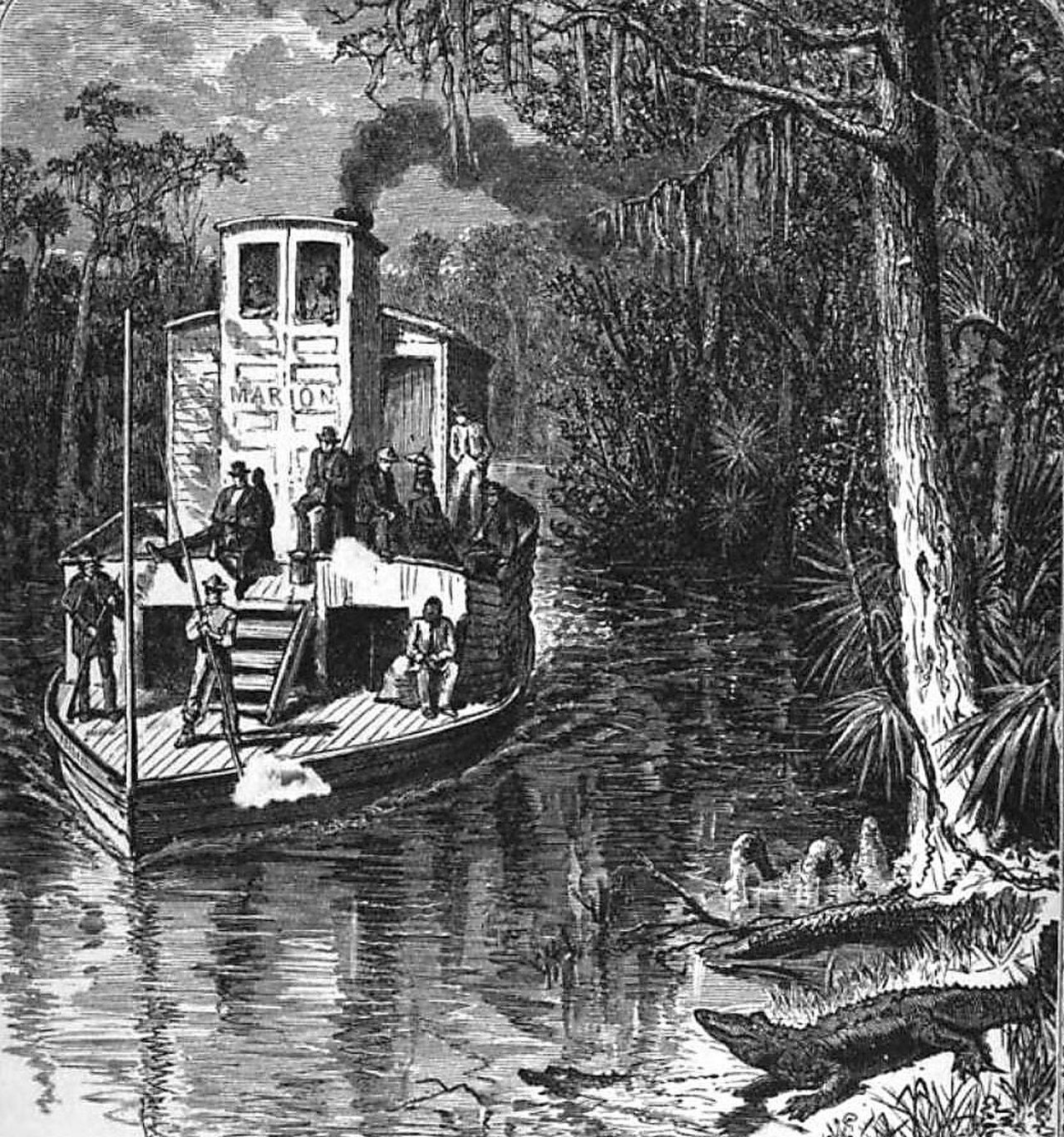
The sternwheel steamboat Marion on the Ocklawaha River, 1873
The sternwheeler Marion on the Ocklawaha, 1873 — the water route that carried Lake County citrus north to Jacksonville. Engraving, 1873 — public domain

Steamboats, Astor, and the Ocklawaha Route

Before railroads reached the interior, Lake County's produce moved by water: down the chain of lakes to the Ocklawaha River, then to the St. Johns and the landings at Astor and Palatka, and on to northern markets. Steamboat schedules, not roads, determined which lakefront villages grew.

Resort Villages: Mount Dora and Eustis

Mount Dora was settled in the 1870s and 1880s as a hill-country winter destination on Lake Dora; the Lakeside Inn, opened in 1883, became the anchor of a district now listed on the National Register of Historic Places. Eustis grew in the same period, and homes such as the Clifford House (1910–1911) survive as evidence of the boom that followed.

In Leesburg, the Mote-Morris House of 1892 remains one of the county's finest Queen Anne residences and a National Register property.

The Citrus Ridge and the Great Freezes

Devastating freezes in 1894–95 wiped out groves across the county and pushed the industry south and onto the sandy Clermont ridge. Developer W. J. Howey answered with a land-and-citrus empire in the 1920s, founding Howey-in-the-Hills and building the 1925 mansion that still bears his name.

The Florida Citrus Tower, opened in Clermont in 1956, was built so tourists could look out over an ocean of groves. Later freezes in the 1980s cleared much of that view, and the land beneath it became subdivisions — the last great transformation of the county's landscape.

ECivil Rights · Further reading

Regional Authors & Literary Corner

Much of what is known publicly about Lake County's hardest decades survives because writers went back into the records.

Devil in the Grove — Gilbert King (2012)

Devil in the Grove: Thurgood Marshall, the Groveland Boys, and the Dawn of a New America reconstructs the Groveland case from FBI files and NAACP Legal Defense Fund papers. It won the 2013 Pulitzer Prize for General Nonfiction.

Beneath a Ruthless Sun — Gilbert King (2018)

A second Lake County investigation, following a 1957 case in which Sheriff Willis McCall consigned a white teenager to a state mental institution rather than pursue the facts of an assault — a study of how one office bent an entire county's justice system.

Cool Hand Luke — Donn Pearce (1965)

Pearce's novel of the Florida road-prison system, drawn from his own sentence, including time at the Tavares camp. Adapted for film in 1967.

Compiled for instructional use at Lake-Sumter State College. Accounts here are drawn from state archival records, federal collections, court records, and published scholarship; consult the linked repositories for primary documents.